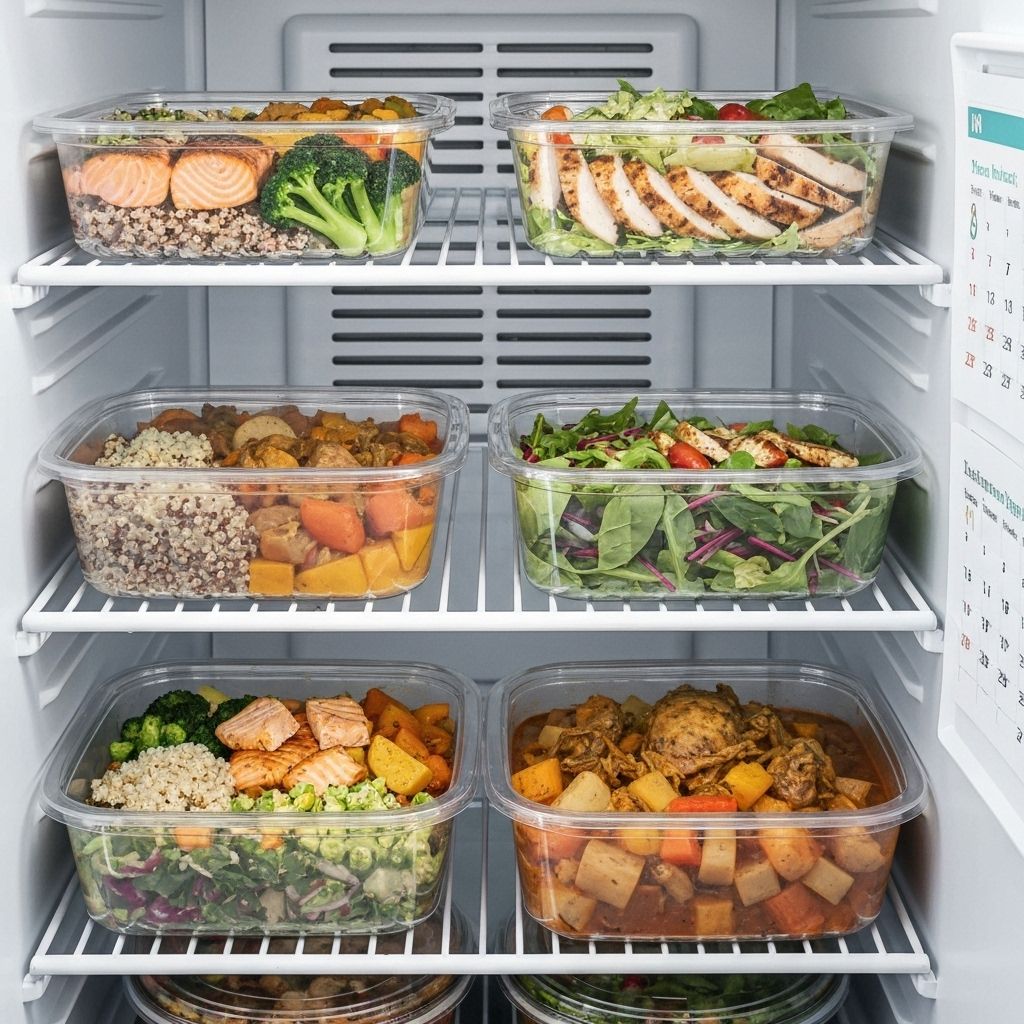
Night shift work creates unique nutritional challenges. Your body's circadian rhythm expects you to sleep at night and eat during the day, but your schedule demands the opposite. Poor meal timing during night shifts leads to energy crashes, impaired performance, weight gain, and metabolic dysfunction. However, strategic nutrition timing can minimize these negative effects and help you maintain energy and performance throughout your shift. This guide provides evidence-based meal timing strategies specifically for night shift workers.
Understanding Circadian Rhythm and Metabolism
Your body's circadian rhythm regulates metabolism, hormone production, and digestive function. Insulin sensitivity is highest in the morning and decreases throughout the day. Digestive enzyme production follows a similar pattern. When you eat large meals during night shifts, your body is less efficient at processing food, leading to poor blood sugar control and increased fat storage. Understanding this allows you to time meals strategically to work with your biology rather than against it.
Pre-Shift Meal Strategy
Eat your largest meal 2-3 hours before your night shift begins. This meal should include lean protein (6-8oz), complex carbohydrates (1-2 cups), healthy fats, and vegetables. This provides sustained energy throughout the first half of your shift when your metabolism is still relatively active. Good options: grilled chicken with sweet potato and vegetables, salmon with rice and broccoli, or lean beef with quinoa and salad. Avoid heavy, greasy foods that slow digestion.
During-Shift Eating Strategy
During your shift, eat smaller meals or snacks every 3-4 hours to maintain stable blood sugar. Focus on protein and healthy fats with minimal carbohydrates. This prevents blood sugar crashes and maintains steady energy. Good options: hard-boiled eggs, Greek yogurt with nuts, protein shakes, chicken breast with vegetables, or beef jerky with cheese. Avoid high-carb, high-sugar foods that cause energy crashes. Keep portions moderate—large meals during night shifts impair digestion and cause fatigue.
Late-Shift Nutrition
During the last 2-3 hours of your night shift, minimize food intake. Your digestive system is at its least efficient, and eating large amounts can impair sleep quality. If you need something, choose easily digestible protein: a protein shake, small serving of Greek yogurt, or a few slices of turkey. Avoid carbohydrates and fats during this window—they're poorly processed and can disrupt sleep. Hydrate well but stop drinking fluids 1-2 hours before sleep to avoid bathroom trips.
Post-Shift and Sleep Preparation
After your shift, eat a light meal with protein and vegetables within 1-2 hours of getting home. Keep it small and easily digestible: a protein shake with berries, eggs with vegetables, or chicken with salad. Avoid large meals and high-carb foods that can interfere with sleep. This meal supports recovery without disrupting sleep quality. Then focus on sleep preparation: dark room, cool temperature, and consistent sleep routine.
Days Off Strategy
On days off, gradually shift your eating schedule back toward normal circadian patterns. Eat larger meals earlier in the day when insulin sensitivity is higher. This helps reset your metabolism and provides a break from night shift eating patterns. However, don't make drastic changes—gradual shifts are easier on your system. Maintain consistent protein intake and focus on whole foods regardless of your schedule.
Key Takeaways
Night shift nutrition timing requires strategic planning to work with your circadian rhythm rather than against it. Eat your largest meal before your shift, consume smaller protein-focused meals during your shift, minimize late-shift eating, and keep post-shift meals light. These strategies help maintain energy, optimize performance, and minimize the metabolic disruption of night shift work. Implement them consistently for better energy, performance, and long-term health.