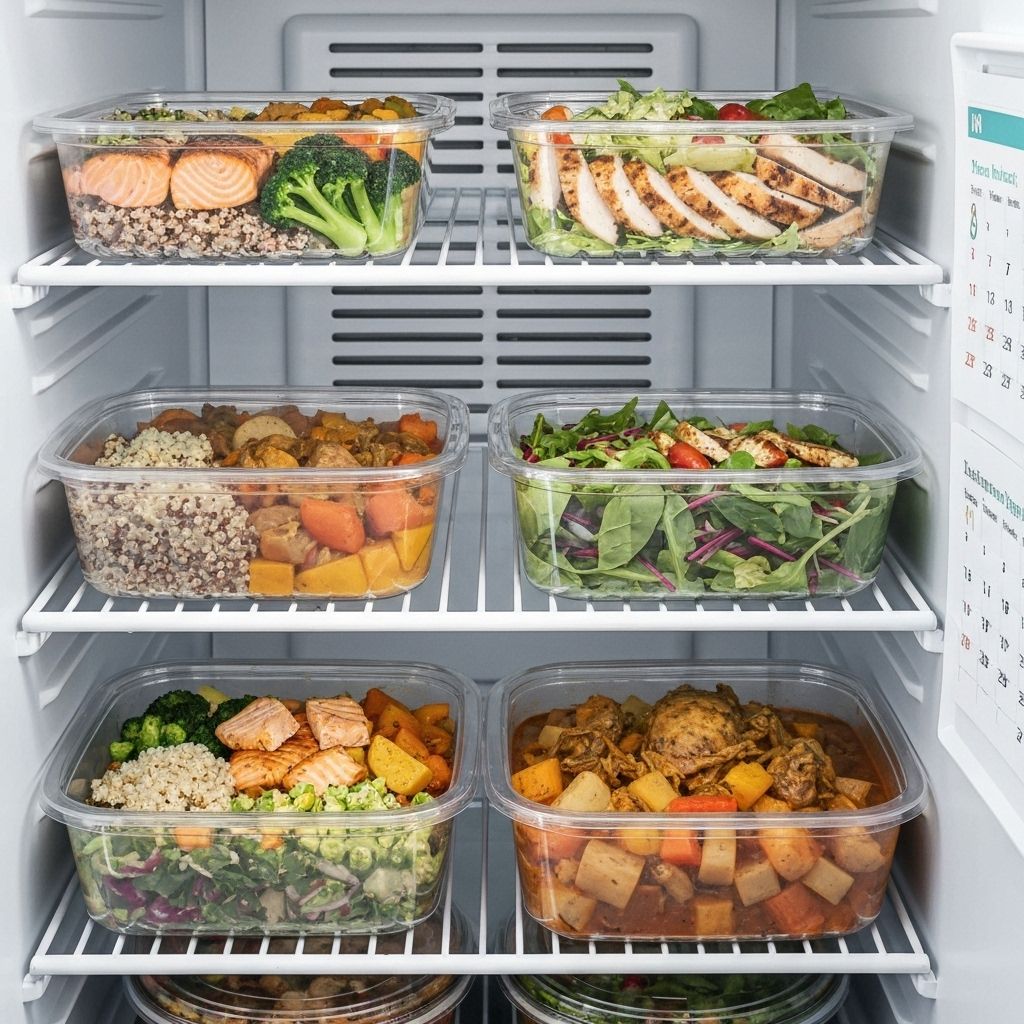
Shift work creates unique nutritional challenges that can sabotage your health, performance, and body composition. Irregular schedules disrupt your circadian rhythm, affect hormone production, and make consistent meal timing nearly impossible. However, with the right strategies, you can optimize your nutrition to maintain energy, focus, and performance regardless of your schedule.
The Shift Work Nutrition Challenge
Working irregular hours disrupts your body's natural rhythms, affecting insulin sensitivity, hunger hormones, and metabolism. Night shift workers are at higher risk for obesity, diabetes, and cardiovascular disease. The key is implementing strategies that work with your schedule rather than fighting against it. Your nutrition plan must be flexible, sustainable, and focused on maintaining stable energy throughout your shift.
Meal Timing Strategies
Eat your largest meal 2-3 hours before your shift starts to provide sustained energy. During your shift, consume smaller meals or snacks every 3-4 hours to maintain stable blood sugar. Avoid large meals during the second half of night shifts. Your body's digestive system slows down overnight, making large meals harder to process. After your shift, eat a light meal with protein and vegetables before sleeping.
What to Eat During Shifts
Focus on protein and healthy fats during shifts to maintain stable energy without blood sugar crashes. Good options include: grilled chicken with vegetables, hard-boiled eggs, Greek yogurt with nuts, protein shakes, and lean beef with sweet potato. Avoid high-sugar foods and simple carbs that cause energy crashes. Save complex carbohydrates for your pre-shift meal when you need sustained energy.
Caffeine Strategy
Use caffeine strategically, not constantly. Consume caffeine during the first half of your shift to boost alertness, but avoid it 4-6 hours before you plan to sleep. Limit total caffeine to 300-400mg per shift. Consider cycling off caffeine on your days off to maintain sensitivity. Pair caffeine with protein to prevent jitters and crashes.
Meal Prep for Success
Preparation is everything for shift workers. Dedicate 2-3 hours on your day off to meal prep. Cook proteins in bulk (chicken, ground beef, fish), prepare vegetables, and portion meals into containers. Keep emergency snacks in your vehicle and locker: protein bars, nuts, jerky, and fruit. Having healthy options readily available prevents poor food choices during busy shifts.
Key Takeaways
Shift work nutrition requires planning and consistency, but it's absolutely manageable with the right approach. Focus on meal timing that works with your schedule, prioritize protein and healthy fats during shifts, use caffeine strategically, and always have healthy options prepared. Your nutrition directly impacts your performance, safety, and long-term health. Make it a priority regardless of your schedule.