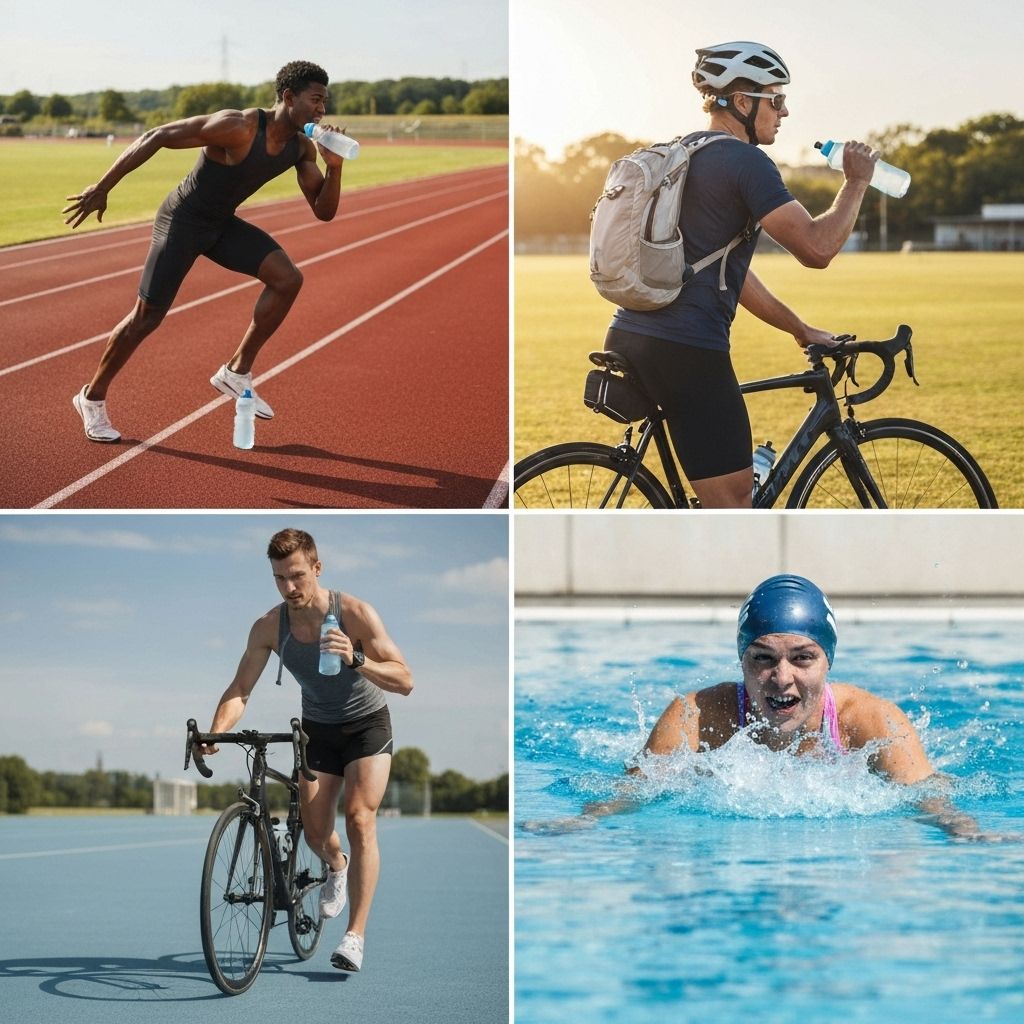
Proper hydration is critical for tactical performance, yet it's often overlooked or mismanaged. Dehydration impairs physical performance, cognitive function, and decision-making—all critical for tactical operations. Extreme conditions—heat, cold, altitude, or extended operations—create unique hydration challenges. This guide provides evidence-based hydration strategies to maintain peak performance regardless of environmental conditions or operational demands.
Understanding Hydration and Performance
Even mild dehydration (2% body weight loss) significantly impairs performance: reduced strength, decreased endurance, impaired cognitive function, and slower reaction times. At 3-4% dehydration, performance declines dramatically and heat injury risk increases substantially. For a 200lb officer, 2% dehydration is only 4 pounds of fluid loss—easily achieved during a shift in hot weather or during intense physical activity. Proper hydration isn't optional—it's essential for performance and safety.
Daily Baseline Hydration
Start every day properly hydrated. Drink 16-20oz of water upon waking to rehydrate from overnight fluid loss. Throughout the day, aim for half your bodyweight in ounces of water (200lb person = 100oz daily). Monitor urine color—pale yellow indicates proper hydration, dark yellow indicates dehydration. Increase intake during hot weather, intense training, or before shifts. Proper baseline hydration provides a buffer against operational fluid losses.
Hydration During Operations
During shifts or operations, drink 6-8oz of fluid every 15-20 minutes, even if you're not thirsty. Thirst is a late indicator of dehydration—by the time you're thirsty, you're already dehydrated. In hot weather or during intense activity, increase to 8-10oz every 15 minutes. Use electrolyte drinks (not just water) during extended operations or heavy sweating to replace sodium and other minerals lost in sweat. Set reminders or establish drinking triggers (every radio call, every hour, etc.) to ensure consistent fluid intake.
Hot Weather Hydration Strategy
Heat dramatically increases fluid needs. Pre-hydrate before hot weather operations: drink 16-20oz of fluid 2-3 hours before, then another 8-10oz 15 minutes before. During operations, drink 8-10oz every 15 minutes. Use electrolyte drinks to replace sodium lost through heavy sweating. After operations, drink 20-24oz for every pound of body weight lost. Monitor for heat injury signs: dizziness, nausea, confusion, or cessation of sweating. Proper hydration is your primary defense against heat injuries.
Cold Weather Hydration
Cold weather hydration is often neglected, but fluid needs remain high. Cold air is dry, increasing respiratory fluid losses. Cold suppresses thirst sensation, leading to voluntary dehydration. Wear layers that prevent excessive sweating, which increases fluid losses. Drink warm fluids to maintain core temperature while hydrating. Follow the same hydration schedule as moderate conditions: 6-8oz every 15-20 minutes. Don't wait until you're thirsty—maintain consistent fluid intake regardless of temperature.
Electrolyte Management
During extended operations or heavy sweating, water alone isn't sufficient—you need electrolytes, particularly sodium. Use sports drinks, electrolyte tablets, or add salt to your water (1/4 teaspoon per liter). Signs of electrolyte imbalance include muscle cramps, nausea, confusion, and fatigue despite adequate fluid intake. For operations lasting over 2 hours or involving heavy sweating, prioritize electrolyte replacement along with fluid intake. Post-operation, consume a meal with adequate salt to fully restore electrolyte balance.
Key Takeaways
Proper hydration is fundamental to tactical performance and safety. Establish baseline hydration daily, maintain consistent fluid intake during operations, adjust for environmental conditions, and replace electrolytes during extended or intense activities. Don't wait until you're thirsty—by then, your performance is already compromised. Implement these hydration strategies consistently, and you'll maintain peak performance regardless of conditions.