How strong is strong enough for law enforcement work? While there's no single answer, research and practical experience have established strength standards that correlate with tactical performance and injury prevention. These standards provide benchmarks to assess your current capabilities and identify areas for improvement. This article presents evidence-based strength standards for law enforcement officers and provides guidance on achieving them.
Why Strength Standards Matter
Strength standards serve multiple purposes: they provide objective performance benchmarks, identify injury risk factors, and guide training priorities. Officers who meet these standards demonstrate lower injury rates, better job performance, and greater career longevity. These aren't arbitrary numbers—they're based on research examining the physical demands of law enforcement work and the strength levels associated with successful performance and injury prevention.
Lower Body Strength Standards
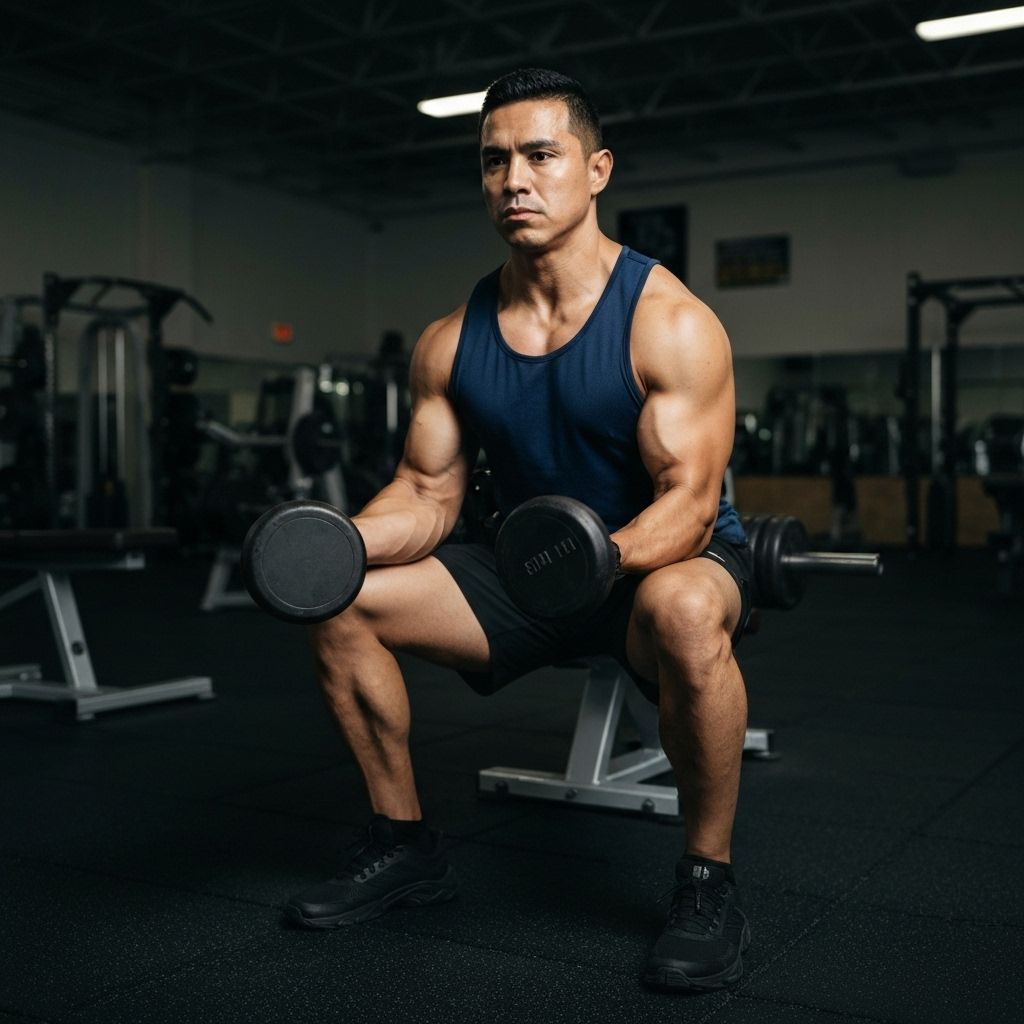
Back Squat: Minimum 1.25x bodyweight, Target 1.5x bodyweight, Elite 2x bodyweight. Deadlift: Minimum 1.5x bodyweight, Target 1.75x bodyweight, Elite 2.5x bodyweight. Front Squat: Minimum 1x bodyweight, Target 1.25x bodyweight. These standards ensure you have the leg strength for foot pursuits, suspect control, and carrying equipment. If you're below minimum standards, prioritize lower body strength training 2-3 times per week with progressive overload.
Upper Body Strength Standards
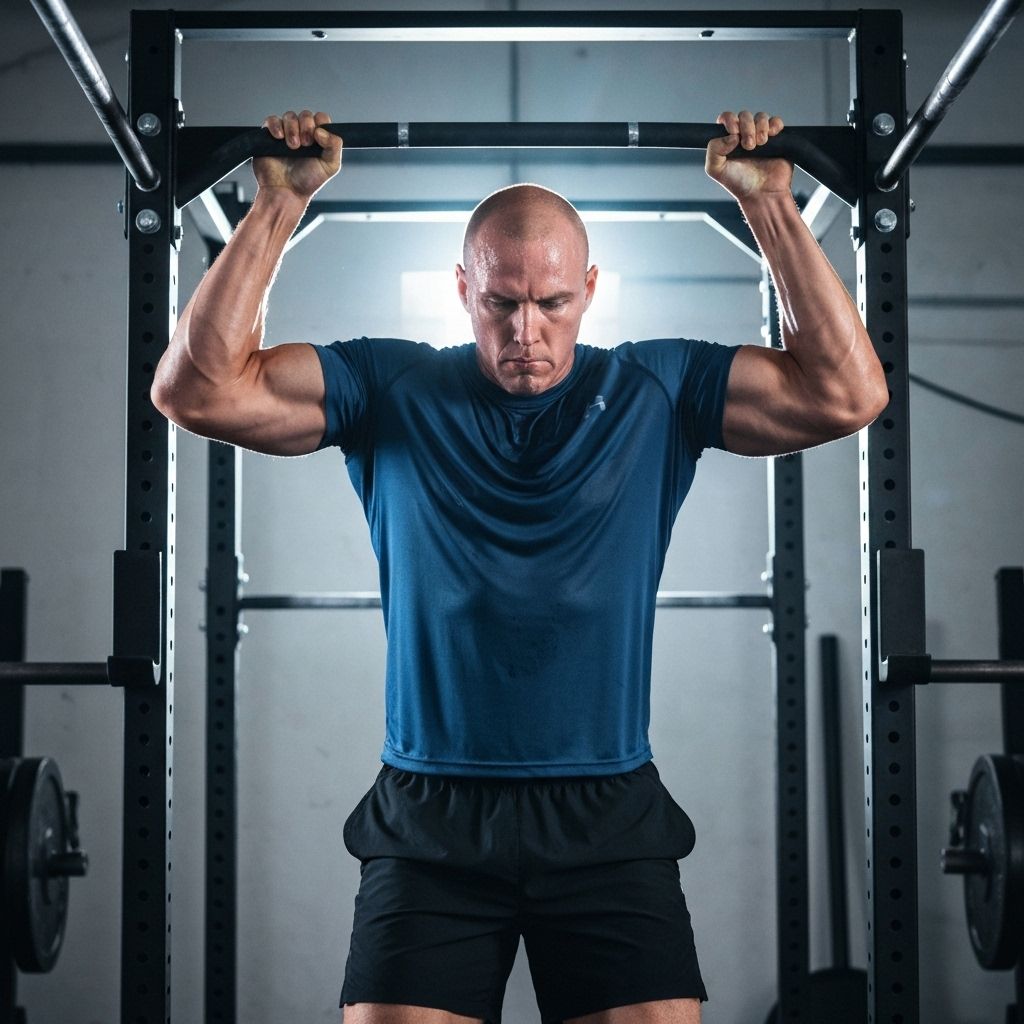
Bench Press: Minimum 1x bodyweight, Target 1.25x bodyweight, Elite 1.5x bodyweight. Pull-ups: Minimum 8 reps, Target 12 reps, Elite 20 reps. Overhead Press: Minimum 0.66x bodyweight, Target 0.75x bodyweight, Elite 1x bodyweight. Upper body strength is essential for suspect control, weapon handling, and defensive tactics. Balanced pushing and pulling strength prevents shoulder injuries and ensures functional upper body capability.
Functional Strength Standards
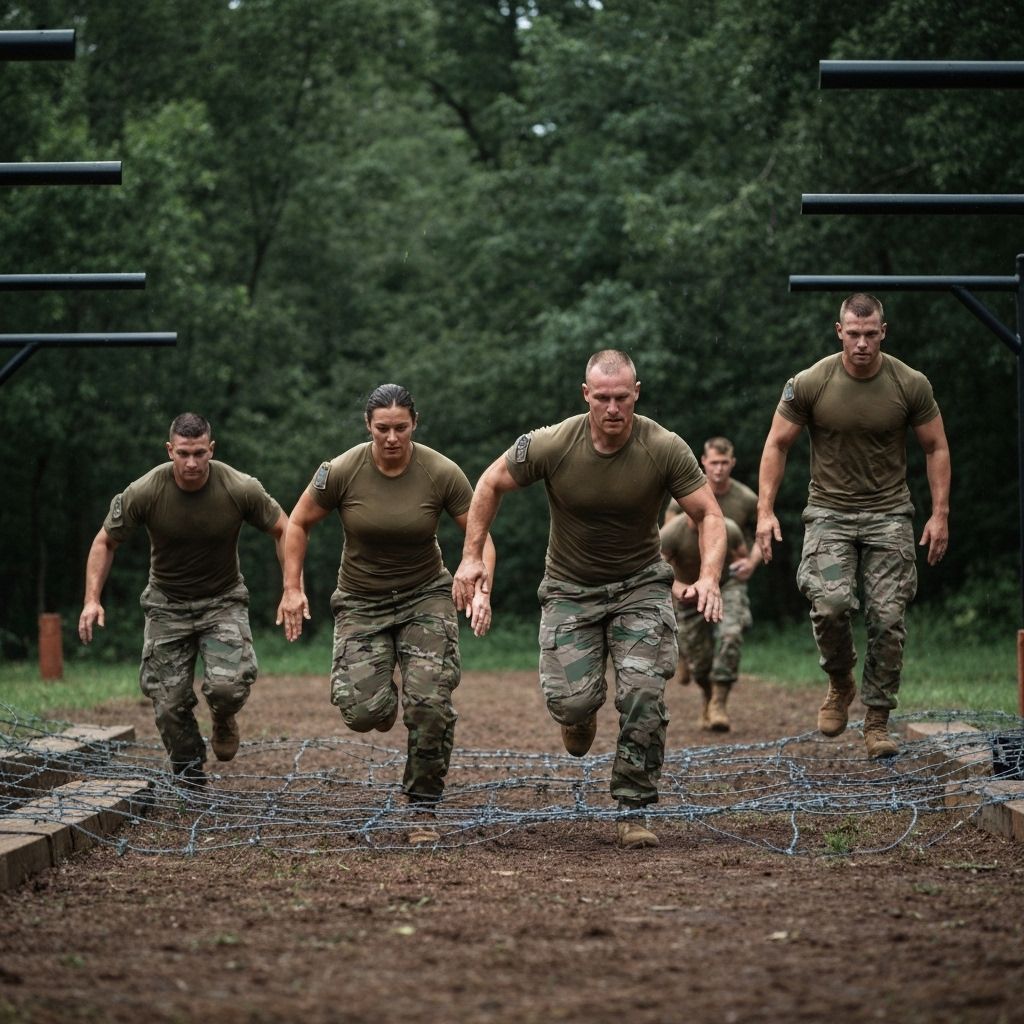
Farmer's Carry: Walk 40 yards with 50% bodyweight in each hand. Sled Push: Push bodyweight on sled for 40 yards. Weighted Vest Run: Run 1 mile in under 10 minutes with 20lb vest. These functional standards assess your ability to apply strength in movement—more relevant to tactical work than static gym lifts. If you can lift heavy but struggle with loaded carries or weighted runs, adjust your training to include more functional movements.
Testing and Assessment Protocol
Test your strength every 8-12 weeks to track progress. Warm up thoroughly before testing. Use proper form—partial reps don't count. Test lower body one day, upper body another day, and functional standards on a third day. Record your results and compare to standards. If you're below minimum standards in any area, make that a training priority. If you meet target standards, maintain that strength while developing other qualities like conditioning or mobility.
Achieving the Standards
If you're below standards, implement a structured strength program: train each major lift 2x per week, use progressive overload (add weight or reps each week), focus on perfect form, and ensure adequate recovery. Most officers can reach minimum standards within 3-6 months of consistent training, target standards within 6-12 months, and elite standards within 1-2 years. Be patient, stay consistent, and trust the process.
Key Takeaways
Strength standards provide objective benchmarks for tactical readiness. Assess your current strength levels, identify gaps, and implement structured training to reach target standards. Remember: these standards aren't about ego—they're about capability, injury prevention, and career longevity. Meet these standards, and you'll be physically prepared for the demands of law enforcement work.