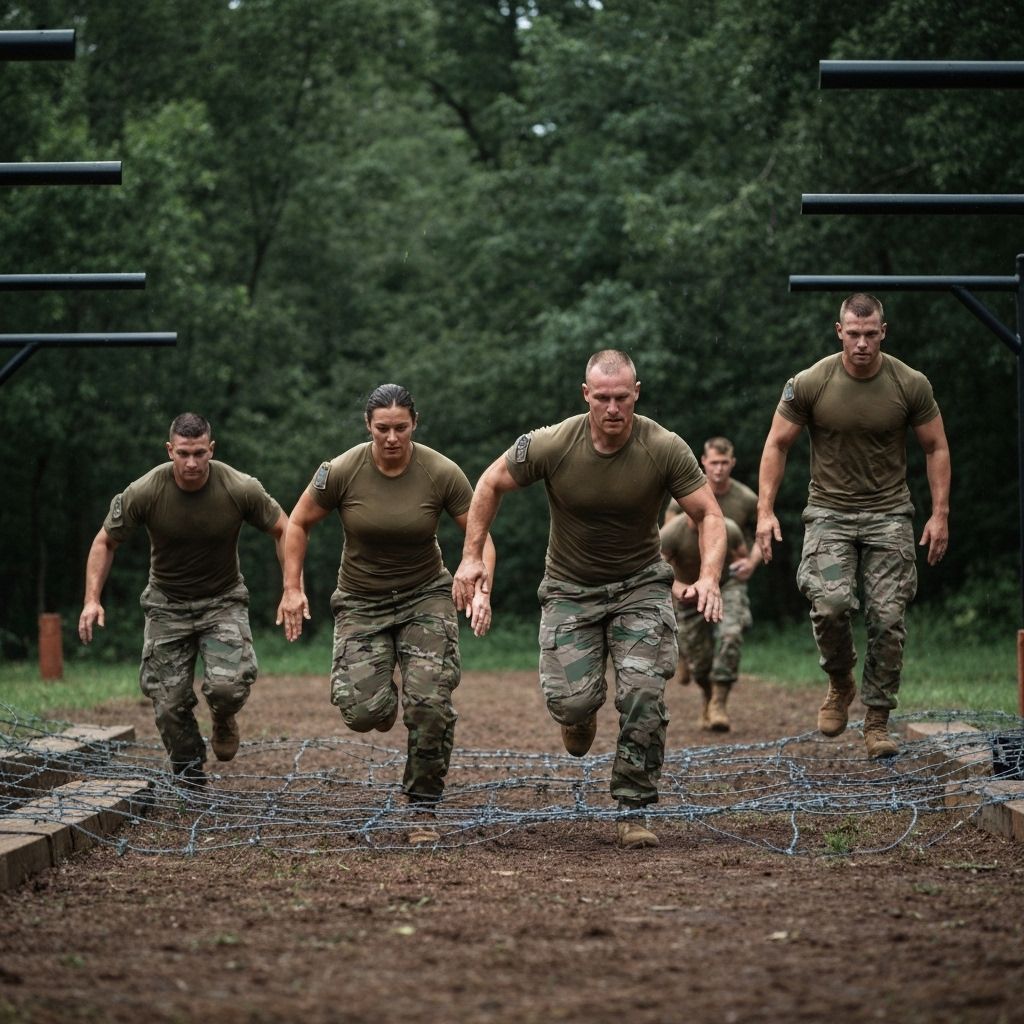
Tactical operations demand exceptional cardiovascular endurance. Whether it's a foot pursuit, extended operation, building clearing, or emergency response, your aerobic capacity directly impacts your effectiveness and safety. However, traditional steady-state cardio doesn't adequately prepare you for the variable intensity demands of tactical work. This guide provides a comprehensive approach to building tactical cardiovascular endurance.
Understanding Tactical Cardio Demands
Tactical work requires both aerobic endurance and the ability to repeatedly produce high-intensity efforts. You might walk for hours during a patrol, then sprint after a suspect, then immediately engage in a physical struggle. This demands a well-developed aerobic base combined with anaerobic power and the ability to recover quickly between efforts. Your training must address all these energy systems.
Building Your Aerobic Base
Start with aerobic base building: 30-45 minutes of steady-state cardio at 60-70% max heart rate, 2-3 times per week. This builds mitochondrial density, improves fat oxidation, and enhances recovery between high-intensity efforts. Choose low-impact options like cycling, rowing, or incline walking to minimize joint stress. This isn't sexy training, but it's the foundation that allows you to sustain performance during extended operations.
High-Intensity Interval Training (HIIT)
HIIT develops your ability to produce repeated high-intensity efforts—essential for tactical work. Perform intervals of 30-90 seconds at 85-95% max heart rate, followed by 2-3 minutes of active recovery. Complete 6-10 intervals per session, 1-2 times per week. Use exercises that mimic tactical movements: sprints, sled pushes, rowing, or assault bike. HIIT is demanding—ensure adequate recovery between sessions.
Work Capacity Training
Work capacity is your ability to sustain moderate-intensity work for extended periods—crucial for long operations. Perform circuit training combining strength exercises with minimal rest: 5-8 exercises, 30-45 seconds each, 3-5 rounds. Include movements like kettlebell swings, battle ropes, box step-ups, and med ball slams. This builds the muscular endurance and cardiovascular capacity needed for sustained tactical operations.
Loaded Carries and Rucking
Rucking (walking with a weighted pack) is one of the most tactical-specific conditioning methods. Start with 20-30 pounds for 30-45 minutes, gradually increasing weight and duration. Maintain good posture and a steady pace. Rucking builds aerobic capacity while conditioning your body to move efficiently under load—directly applicable to tactical work. Include weekly ruck sessions as a cornerstone of your conditioning program.
Key Takeaways
Tactical cardiovascular endurance requires a multi-faceted approach: aerobic base building, high-intensity intervals, work capacity training, and loaded carries. Don't neglect any component—each serves a specific purpose in preparing you for the variable demands of tactical operations. Implement this comprehensive approach consistently, and you'll develop the endurance to perform effectively throughout any operation.