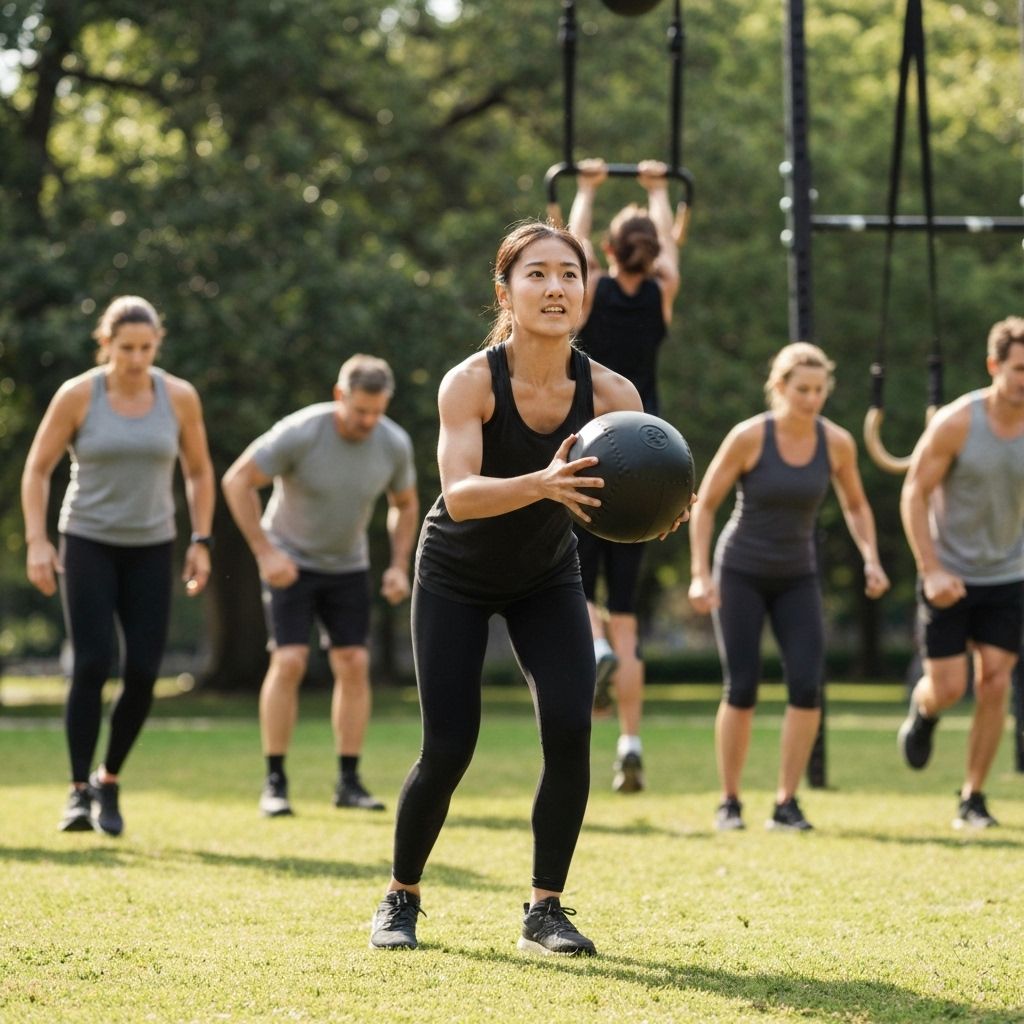
Walk into most gyms and you'll see people training like bodybuilders: isolated exercises, high volume, focused on muscle growth and aesthetics. While there's nothing wrong with wanting to look good, tactical professionals need a different approach. Your training must prioritize performance over aesthetics, functional strength over muscle size, and real-world capability over gym numbers. This article explains the critical differences between bodybuilding and functional fitness, and why tactical athletes need the latter.
Training Goals: Aesthetics vs Performance
Bodybuilding focuses on muscle hypertrophy and symmetry—building muscle size and achieving aesthetic proportions. Functional fitness focuses on performance—building strength, power, endurance, and movement quality that transfers to real-world activities. For tactical professionals, performance is paramount. You need to be strong, fast, and capable in dynamic, unpredictable situations. While functional training often produces an athletic physique, aesthetics are a byproduct, not the goal.
Exercise Selection: Isolation vs Integration
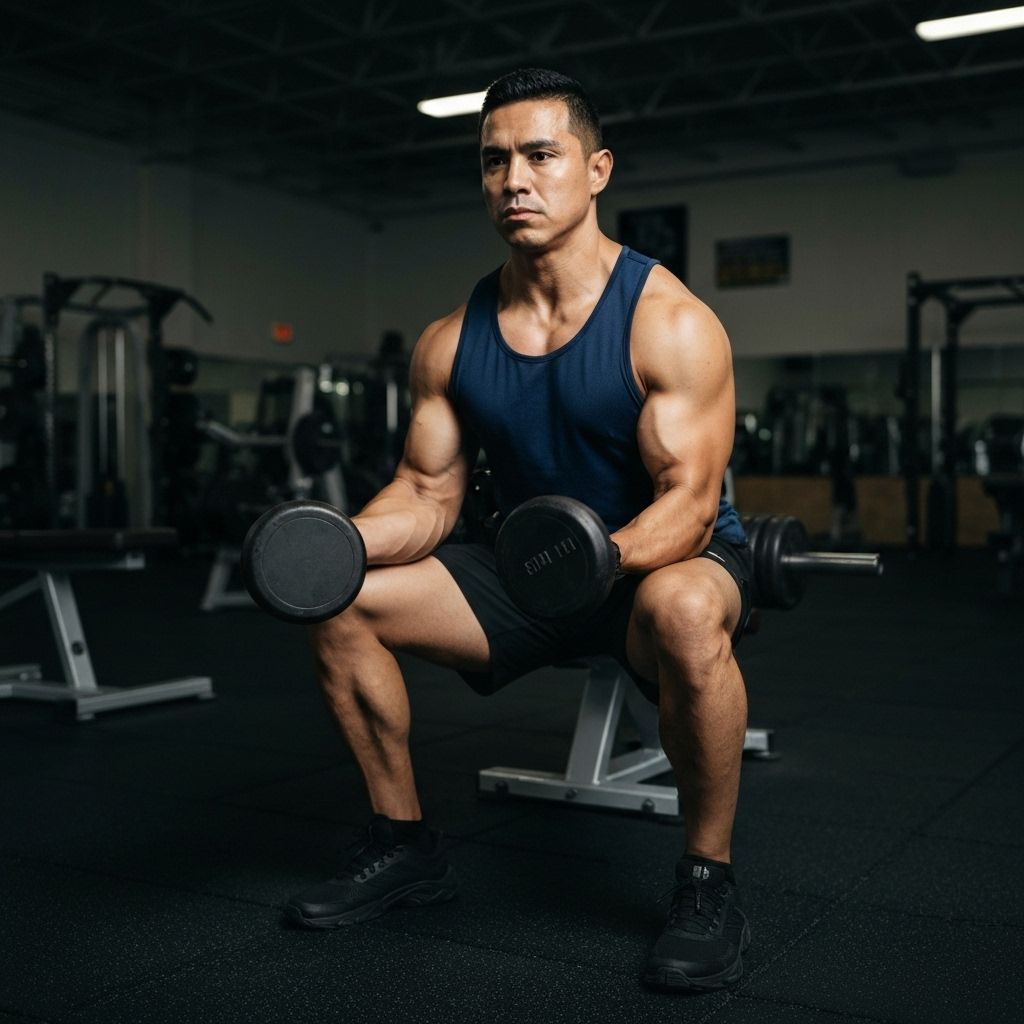
Bodybuilding emphasizes isolation exercises that target specific muscles: bicep curls, leg extensions, and chest flies. Functional fitness emphasizes compound movements that integrate multiple muscle groups: squats, deadlifts, presses, and pulls. Tactical work requires integrated strength—your body working as a coordinated system. You don't isolate your biceps when controlling a suspect or your quads when running. Train movements, not muscles, to build functional strength that transfers to your job.
Movement Patterns vs Muscle Groups
Bodybuilding organizes training around muscle groups: chest day, back day, leg day. Functional fitness organizes training around movement patterns: push, pull, hinge, squat, carry, and rotate. This approach ensures balanced development and trains your body to move efficiently. Tactical work demands proficiency in all movement patterns, often simultaneously. Your training should reflect this reality by emphasizing integrated movement patterns rather than isolated muscle groups.
Rep Ranges and Training Intensity
Bodybuilding typically uses moderate weights for 8-12 reps to maximize muscle growth. Functional fitness varies rep ranges based on goals: heavy weights (3-5 reps) for strength, moderate weights (6-10 reps) for strength-endurance, and lighter weights (12-20 reps) for muscular endurance. Tactical work demands all these qualities. Your training should include varied rep ranges and intensities to develop comprehensive physical capability, not just muscle size.
Conditioning and Work Capacity
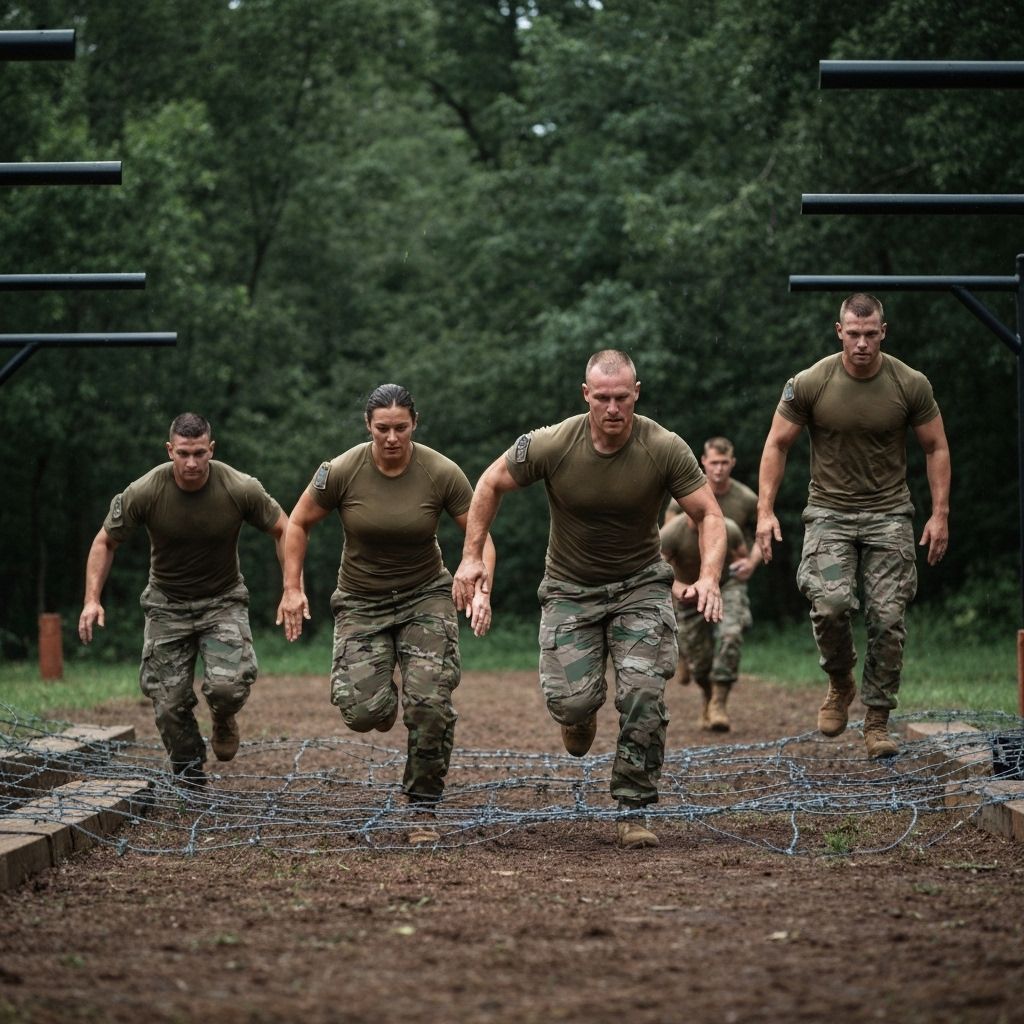
Bodybuilding minimizes conditioning to avoid interfering with muscle growth. Functional fitness integrates conditioning as essential for performance. Tactical professionals need exceptional work capacity—the ability to sustain performance during extended operations. Include regular conditioning work: intervals, circuits, loaded carries, and aerobic training. This builds the cardiovascular capacity and muscular endurance essential for tactical work, even if it slightly limits muscle growth.
Mobility and Movement Quality
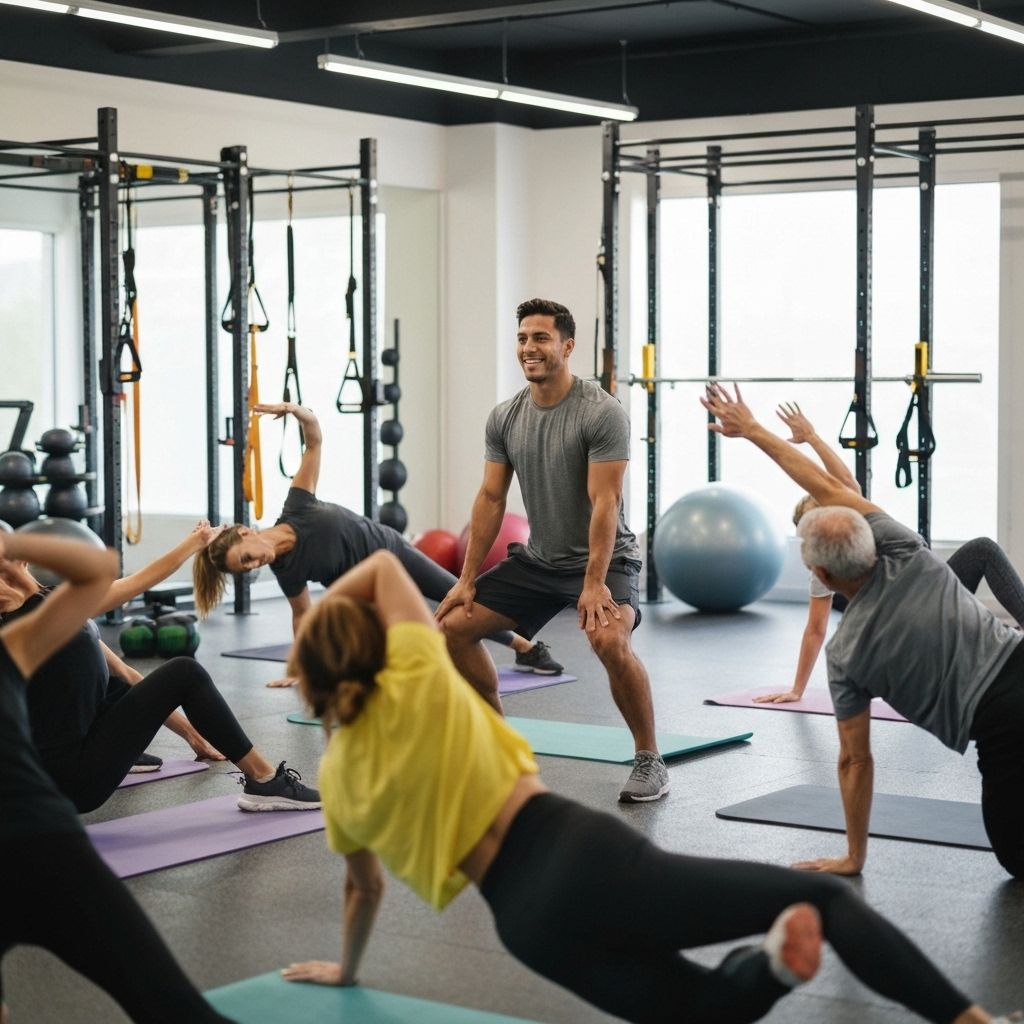
Bodybuilding often neglects mobility, sometimes intentionally limiting range of motion to maximize muscle tension. Functional fitness prioritizes mobility and movement quality—full range of motion, proper mechanics, and joint health. Tactical work demands movement in all planes of motion, often in awkward positions. Maintain and improve mobility through daily mobility work, full range of motion in exercises, and proper movement patterns. Movement quality is performance quality.
Key Takeaways
Tactical athletes need functional fitness, not bodybuilding. Train movements, not muscles. Prioritize performance over aesthetics. Develop strength, power, endurance, and mobility that transfers to your job. While functional training often produces an athletic physique, remember: your goal is capability, not appearance. Train like the tactical athlete you are, and your body will develop the form that follows function.