High-stress tactical professions create a unique recovery challenge. You're not just recovering from physical training—you're recovering from shift work, psychological stress, irregular sleep patterns, and the cumulative demands of your job. Without proper recovery protocols, performance declines, injury risk increases, and burnout becomes inevitable. This comprehensive guide provides evidence-based recovery strategies specifically designed for tactical professionals.
The Recovery Deficit
Most tactical professionals operate in a chronic recovery deficit. Irregular sleep schedules disrupt hormone production and tissue repair. High stress elevates cortisol, impairing recovery and promoting fat storage. Physical demands from both training and work accumulate without adequate rest. This deficit compounds over time, leading to decreased performance, increased injury risk, and eventual burnout. Implementing structured recovery protocols is essential for long-term performance and health.
Sleep: The Foundation of Recovery
Sleep is when your body repairs tissue, consolidates learning, and regulates hormones. Aim for 7-9 hours per night, even with shift work. Create a dark, cool sleeping environment (65-68°F). Use blackout curtains and white noise for day sleeping. Establish a pre-sleep routine: dim lights 1-2 hours before bed, avoid screens 30 minutes before sleep, and consider magnesium supplementation. If you can't get continuous sleep, take strategic 20-30 minute naps to reduce sleep debt.
Nutrition for Recovery
Post-training and post-shift nutrition directly impacts recovery. Within 2 hours of training, consume 20-40g protein and 40-80g carbohydrates to replenish glycogen and support muscle repair. Stay hydrated—dehydration impairs recovery and performance. Include anti-inflammatory foods: fatty fish, berries, leafy greens, and turmeric. Limit alcohol, which disrupts sleep quality and impairs protein synthesis. Consider supplementing with omega-3s, vitamin D, and magnesium to support recovery.
Active Recovery Strategies
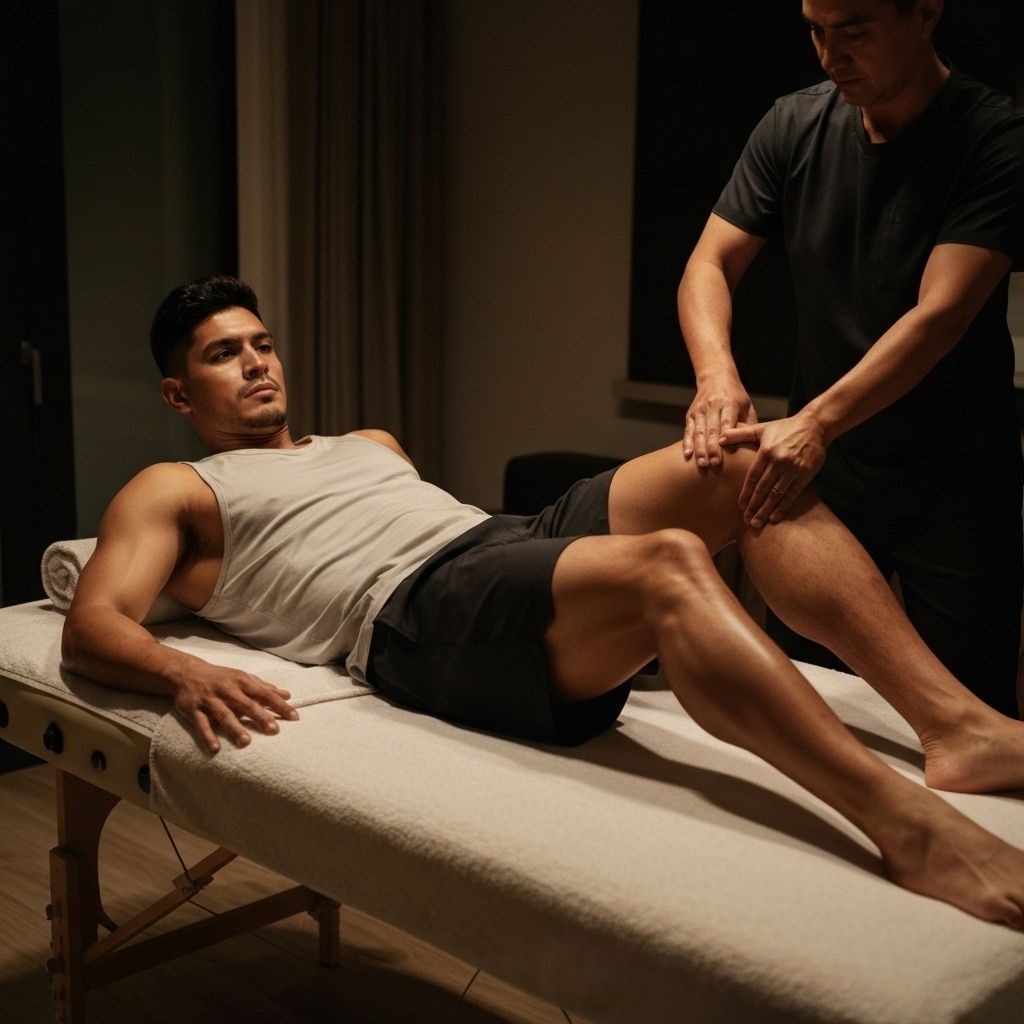
Active recovery promotes blood flow and tissue repair without adding training stress. On rest days, perform 20-30 minutes of low-intensity activity: walking, easy cycling, or swimming. Include daily mobility work: 10-15 minutes of foam rolling, stretching, and joint mobility exercises. Use contrast showers (alternating hot and cold water) to reduce inflammation and promote recovery. Consider weekly massage or physical therapy as preventive maintenance.
Stress Management and Mental Recovery
Physical recovery is incomplete without mental recovery. Chronic stress elevates cortisol, impairing physical recovery and performance. Implement daily stress management: 10 minutes of meditation, deep breathing exercises, or journaling. Maintain social connections outside of work. Engage in hobbies unrelated to fitness or work. Consider working with a mental health professional—mental resilience is as important as physical resilience for tactical professionals.
Monitoring Recovery Status
Track recovery markers to adjust training and recovery protocols. Monitor resting heart rate—elevated RHR indicates incomplete recovery. Assess sleep quality and duration. Note energy levels, mood, and motivation. Track training performance—declining performance indicates inadequate recovery. Use these markers to adjust training intensity, add rest days, or modify recovery protocols. Listen to your body and respond accordingly.
Key Takeaways
Recovery isn't passive rest—it's an active process requiring the same attention and planning as training. Prioritize sleep, optimize nutrition, implement active recovery strategies, manage stress, and monitor your recovery status. Remember: you don't get stronger during training—you get stronger during recovery. Implement these protocols consistently to maximize performance, reduce injury risk, and sustain a long, successful career.