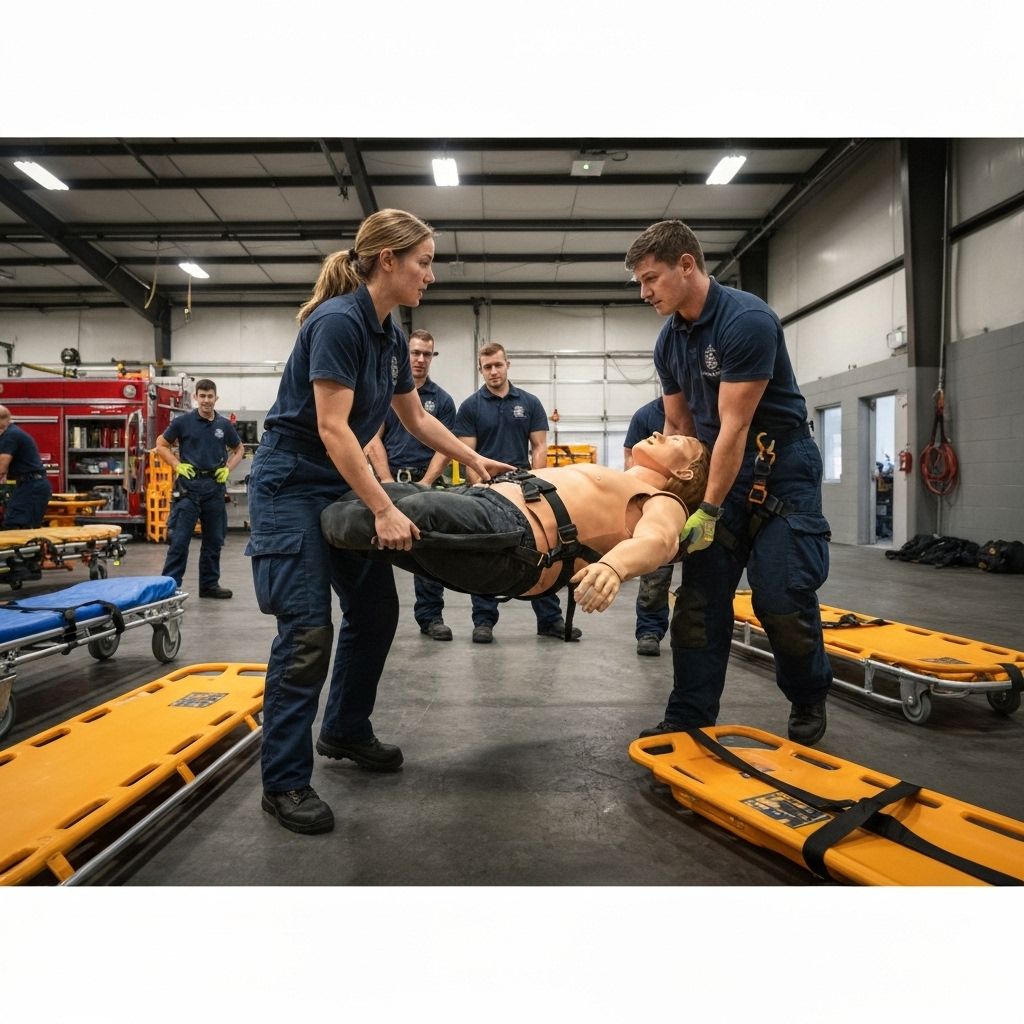
First responders face some of the highest injury rates of any profession. Lower back injuries, shoulder problems, and knee issues can end careers prematurely and significantly impact quality of life. The good news? Most of these injuries are preventable with proper training, movement patterns, and recovery protocols. This guide provides evidence-based strategies to build a resilient body that can withstand the demands of tactical work.
The Most Common First Responder Injuries
Lower back injuries account for nearly 40% of all first responder injuries, often from lifting, dragging, or awkward positions. Shoulder injuries are the second most common, typically from repetitive overhead work or sudden forceful movements. Knee injuries occur from running, jumping, and sudden direction changes. Understanding these patterns allows us to implement targeted prevention strategies.
Build a Bulletproof Lower Back
Lower back health starts with core stability and proper hip hinge mechanics. Incorporate deadlifts, Romanian deadlifts, and hip thrusts to strengthen your posterior chain. Add anti-rotation exercises like Pallof presses and dead bugs to build core stability. Practice proper lifting mechanics daily—hinge at the hips, keep your back neutral, and engage your core before every lift. Spend 10 minutes daily on lower back and hip mobility work.
Shoulder Health and Stability
Shoulder injuries often result from muscle imbalances and poor scapular control. For every pressing exercise (push-ups, bench press), perform two pulling exercises (rows, pull-ups). Add rotator cuff strengthening with band external rotations and face pulls. Include scapular stability work like wall slides and prone Y-T-W raises. Maintain shoulder mobility with daily arm circles and doorway stretches.
Knee Injury Prevention
Strong, stable knees require balanced leg strength and proper movement patterns. Build quad and hamstring strength with squats, lunges, and leg curls. Strengthen your glutes with hip thrusts and lateral band walks. Weak glutes are a primary cause of knee pain. Practice proper landing mechanics: land softly with bent knees, keeping knees aligned over toes. Include single-leg exercises to identify and correct imbalances.
Recovery and Regeneration
Injury prevention isn't just about training—it's about recovery. Get 7-9 hours of quality sleep to allow tissue repair and hormone regulation. Include one full rest day per week. Use foam rolling and mobility work daily to maintain tissue quality. Address minor aches immediately before they become major injuries. Consider regular massage or physical therapy as preventive maintenance, not just injury treatment.
Key Takeaways
Injury prevention is the most important aspect of tactical fitness. A strong, resilient body allows you to serve longer, perform better, and maintain quality of life after retirement. Implement these strategies consistently—build balanced strength, maintain mobility, practice proper movement patterns, and prioritize recovery. Your career and long-term health depend on it.